
The HTTP Request Dilemma: The fine line between agility and technical debt
The HTTP Request node is a lifesaver for quick prototypes, but it charges high interest in long-term maintenance. Learn when to stop copy-pasting cURLs and invest in the governance and stability of Custom Nodes.
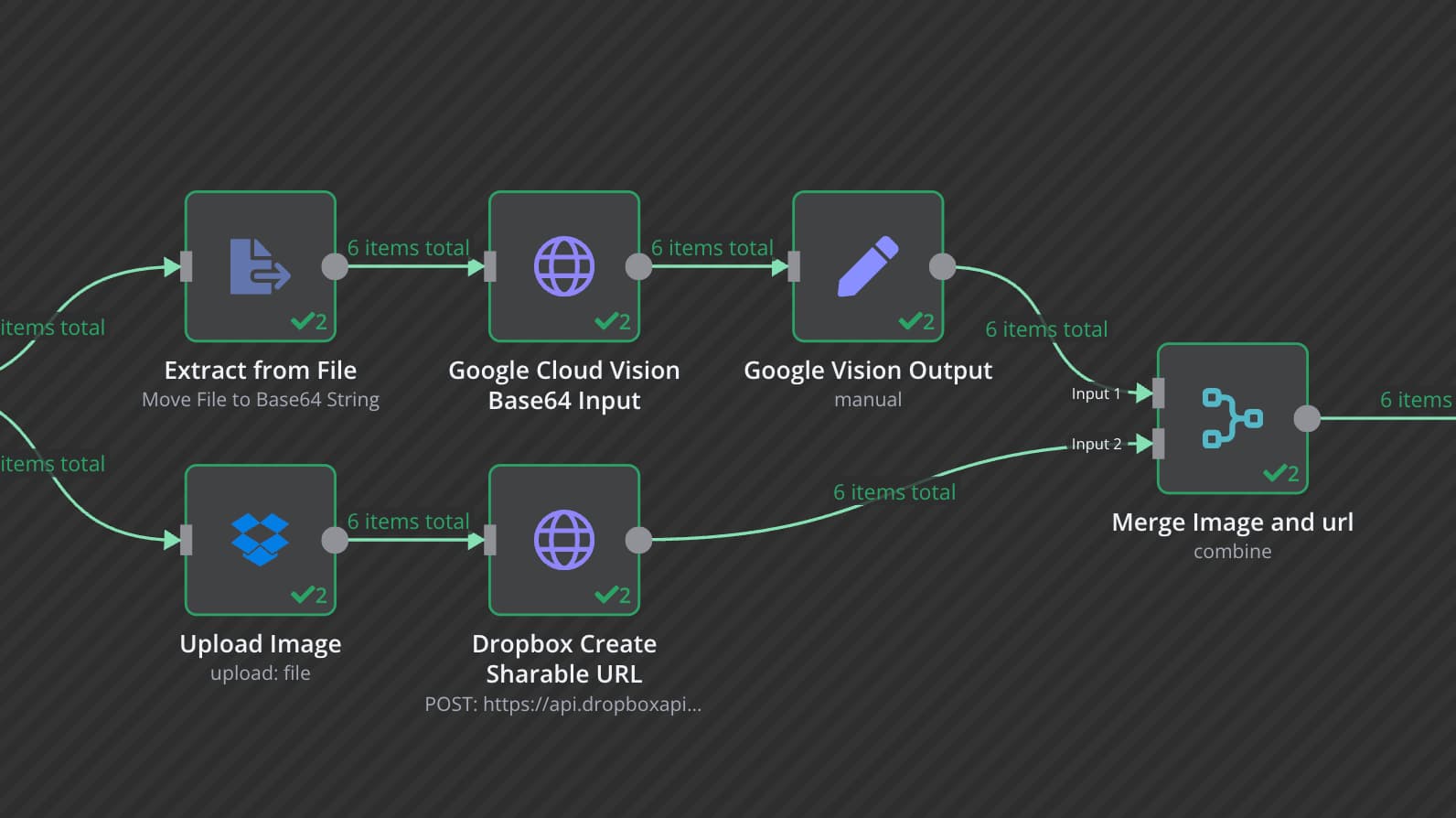
We’ve all been there. You need to integrate a new tool into your n8n workflow. There’s no native node for it. The deadline is tight. What do you do?
You drag an HTTP Request node onto the canvas, paste the cURL from the API documentation, swap out two variables, and... voilà. It works. The client is happy, the boss is happy.
The problem is that "temporary" solutions have a nasty habit of becoming permanent.
Six months later, you have 40 workflows running in production. That same API call has been copied and pasted 15 times. Authentication is hardcoded into the header of every single node. And suddenly, the API provider announces they are deprecating v1 and migrating to v2.
What started as agility has turned into a maintenance nightmare. Welcome to the HTTP Request Dilemma.
The seduction of flexibility (and the price you pay)
The HTTP Request node is the Swiss Army knife of n8n. It’s the reason we love the tool: we never get blocked waiting for an official integration.
However, in the world of Software Engineering, there is a fundamental concept called DRY (Don't Repeat Yourself), popularized in the book The Pragmatic Programmer (Hunt & Thomas). The principle is simple: "Every piece of knowledge must have a single, unambiguous, authoritative representation within a system."
When you scatter business logic (like handling pagination, rate limits, or token renewal) across loose HTTP Request nodes, you are violating this principle. You are creating "Shadow IT" within your own code: critical logic that is undocumented, unstandardized, and decentralized.
Symptoms that you've crossed the line
How do you know if your n8n operation needs to evolve from "loose scripts" to "custom nodes"? Here are the red flags:
- The "JSON Dance": Your developers have to open the external API documentation every time they create a workflow, just to remember if the field is
user_idoruserId. - Fragile Security: If you need to rotate an API Key today, do you know exactly where it’s being used, or will you have to hunt through workflows one by one to update credentials?
- Inconsistent Error Handling: One workflow handles a 429 (Rate Limit) error with a retry; another simply fails. This lack of standardization breeds instability.
The Solution: Encapsulation via Custom Nodes
The answer to this chaos is creating a Custom Node.
Think of a Custom Node as a visual "API Wrapper." Instead of exposing the complexity of the HTTP protocol, you expose the business intent.
- Out:
POST https://api.example.com/v1/userswith a complex JSON body. - In: A node with the tool's logo, a dropdown that says "Create User," and validated fields.
This isn’t just about aesthetics. It’s about governance. By transforming that repetitive logic into a Verified Custom Node, you ensure everyone in the company uses the integration correctly, securely, and consistently.
As Martin Fowler, one of the greatest references in software architecture, says about refactoring:
"Any fool can write code that a computer can understand. Good programmers write code that humans can understand."
A well-made Custom Node is exactly that: making your automation readable and safe for humans.
When is it worth investing in development?
Developing a custom node for n8n requires knowledge of TypeScript, Vue.js (for the node UI), and an understanding of the tool's internal architecture. It’s not trivial.
At n8nscale, we use the following "Rule of Three" to recommend node development to our clients:
- Frequency: Will the integration be used in 3 or more different workflows?
- Complexity: Is the authentication complex (e.g., OAuth2 with manual refresh tokens or HMAC signatures)?
- Audience: Will non-technical people (marketing/sales analysts) need to use this integration?
If the answer is "yes" to any of these questions, sticking with HTTP Requests is asking for headaches down the road.
If you want to stop pasting cURLs and start building professional automation infrastructure, take a look at our Verified Custom Nodes service. We build, test, and maintain the integration so your team can focus on the workflow, not the protocol.
Comentarios
Inicia sesión o regístrate para comentar en este artículo.
No hay comentarios aún. ¡Sé el primero en comentar!